Introduction: When Inspiration Becomes the Problem
Early design should feel open. Instead, it often feels noisy.
Designers collect references quickly—screenshots, saved images, material swatches, links from clients. The board fills up fast. Everything looks good. And yet, no one is quite sure what the project is about.
This is the moment when inspiration quietly turns into confusion.
Clients say they like “all of it.”
Designers feel pressure to satisfy everything.
Direction remains vague.
The issue isn’t a lack of ideas. It’s a lack of hierarchy.
Why Reference-Heavy Boards Create False Confidence
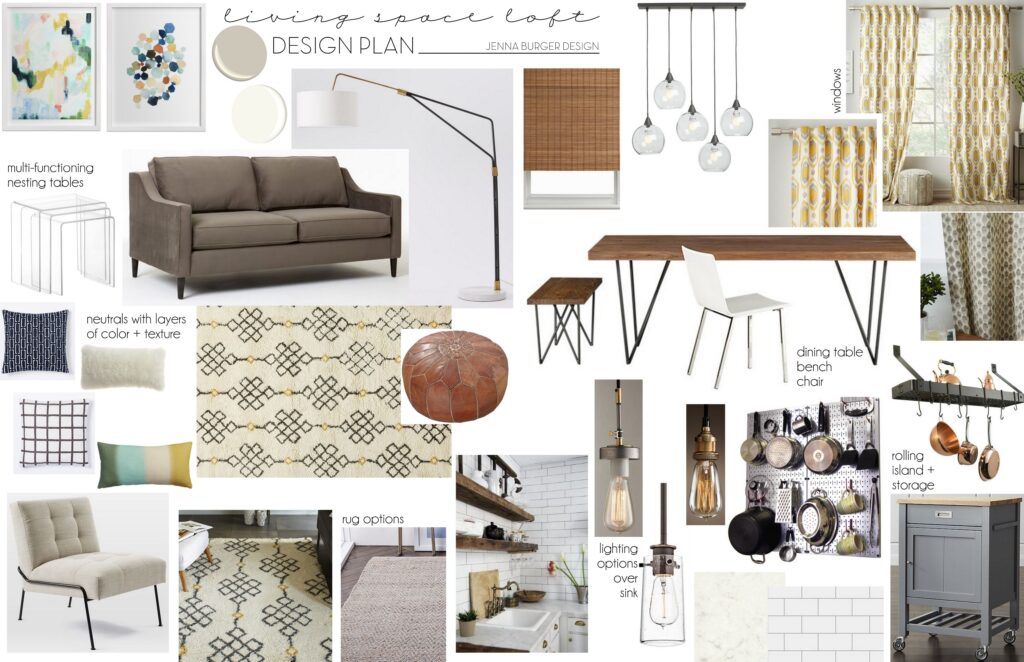
Traditional mood boards reward accumulation. The more references included, the richer the board appears. But density can mask indecision.
When everything is included:
- nothing leads
- contrasts go untested
- priorities stay hidden
Clients may approve the board because it looks comprehensive, not because it’s clear. Designers move forward believing alignment exists—until the first spatial visuals expose conflicting expectations.
This is why reference-heavy boards often create false confidence early and real disagreement later.
Direction Requires Reduction, Not Addition
Good design direction emerges through reduction.
It asks:
- What dominates?
- What supports?
- What should disappear?
This is hard to do manually because removing references feels risky—especially when clients provided some of them. Designers worry about discarding something important too early.
AI mood boards help by structuring reduction, not forcing it.
How AI Introduces Hierarchy Without Killing Exploration
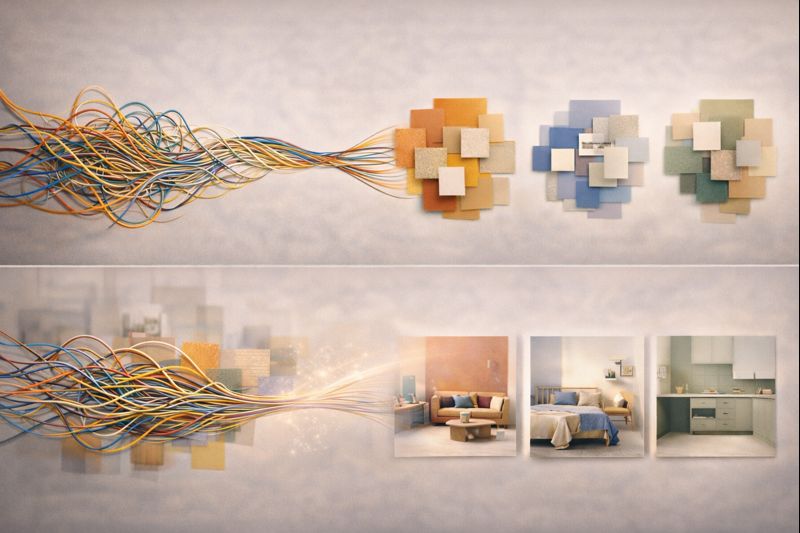
AI mood boards don’t eliminate references. They organize them.
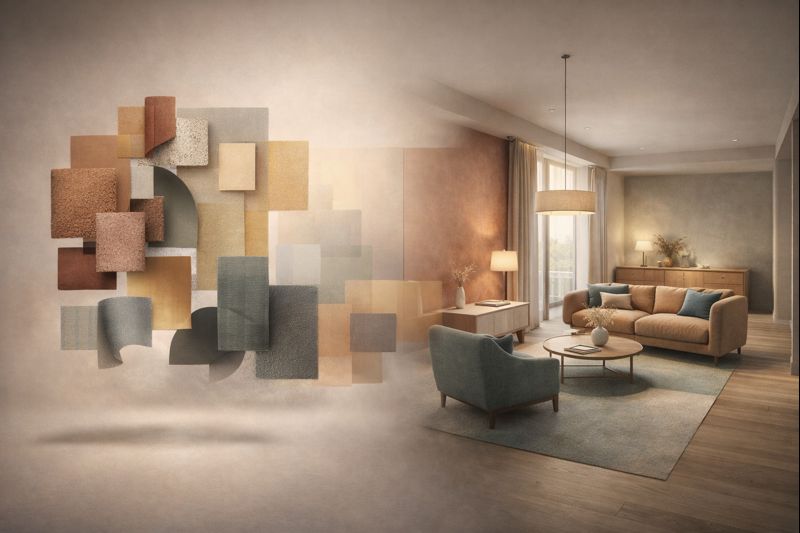
By analyzing visual relationships—color dominance, texture weight, contrast, light behavior—AI can surface patterns designers intuitively sense but struggle to articulate.
The result is hierarchy:
- primary tones vs accents
- dominant materials vs supporting ones
- calm elements vs expressive moments
Designers still decide what stays. But they decide with clarity, not guesswork.
Why Clients Respond Better to Fewer, Clearer Directions
Clients don’t want more options. They want better framed options.
When AI mood boards present two or three cohesive directions instead of one crowded collage:
- comparison becomes easier
- preferences surface faster
- confidence increases
Clients feel guided, not overwhelmed. They stop asking for “more references” and start asking for “the direction that feels right.”
That shift saves time—and prevents later reversals.
Early Clarity Prevents Design Drift
Design drift happens when early decisions are ambiguous. Teams keep moving, but not together.
With directional clarity established early:
- designers interpret intent consistently
- collaborators understand priorities
- later visuals feel like natural extensions
AI mood boards reduce drift by anchoring intent before design effort multiplies.
And when projects progress beyond inspiration into coordination and delivery, platforms like Ruwaq Design help preserve that early direction through AEC workflows—so clarity isn’t lost when complexity increases.
Why Designers Feel More Confident Saying “No”
One underrated benefit of directional clarity is confidence.
When a board has clear hierarchy, designers can confidently say:
- “That doesn’t belong to this direction.”
- “That works in a different mood, not this one.”
- “If we add this, we weaken the concept.”
This protects design quality—and professional credibility.
From Reference Collection to Design Leadership
AI mood boards help designers move from collectors to leaders.
Instead of presenting everything they found, they present:
- a point of view
- a rationale
- a clear path forward
Clients don’t just approve aesthetics—they approve direction.
Conclusion: Inspiration Needs Structure to Become Design
Inspiration is abundant. Direction is rare.
Reference-heavy mood boards often hide indecision behind beauty. AI mood boards reveal structure behind inspiration—so teams align earlier, decisions hold longer, and redesign becomes the exception rather than the norm.
Design doesn’t need fewer ideas.
It needs clearer ones, sooner.